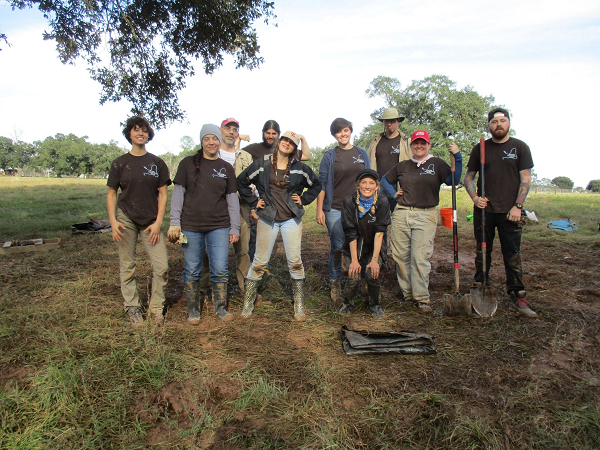
Anthropology
Anthropology is a thrilling and interesting area of study for students at the University of Louisiana at Lafayette. Anthropology is the holistic study of humans in the past and present, it is worldwide in scope, encompassing all aspects of human biological and social life from the earliest times to the present. Anthropology is a broad, holistic field that seeks to understand human adaptation to natural and social environments. It is the most humanistic science and most scientific study of humanity.
The holistic part comes from the four subfields of anthropology which are biological (physical) anthropology, cultural anthropology, linguistic anthropology, and archaeology; these four subfields allow for the study of all aspects of humanity. These subfields also encompass a variety of sub-disciplines including genetics, primatology, anatomy, biochemistry, language development and evolution, behavioral studies, and historical archaeology. Anthropology provides unique methodologies and theoretical perspectives in systematically examining and understanding the human condition and experience. As an interdisciplinary pursuit, anthropology incorporates and draws upon diverse fields and areas of research such as human anatomy and physiology, folklore, biology, geography, geology, history, psychology, and zoology.
Anthropologists study peoples' physical makeup, culturally-conditioned personality, political and economic organizations, ideologies and religious beliefs, languages, and material culture. Cultural anthropologists once focused almost entirely on non-western, tribal traditions. Today anthropologists study the global transformations of modern industrial states and interactions with local-level, indigenous communities and displaced human groups. Biological and archaeological anthropologists study the evolution of humanity over millions of years, including the earliest evidence for Homo sapiens in Africa, the beginnings of food production, and development of complex societies and civilizations. They also focus their studies locally on the origins and history of local peoples, such as the Acadians, and past populations. The subject matter of anthropology is global and timeless.
We’re committed to research for a reason and we’re eager to share what we’re learning, therefore the anthropology program at UL Lafayette offers a wide variety of opportunities outside of the classroom. Students can choose from research opportunities in labs across campus, fieldwork opportunities throughout Louisiana, and both volunteer and paid internship opportunities in museums, archaeology field work, and forensics.
Many students also work closely with faculty on various anthropological research projects and grants, particularly through the two labs that are housed within the anthropology program. The Forensic Anthropology and Bioarchaeology Lab provides hands-on experience for students interested in working with human and non-human skeletal remains, learning high-tech skills such as 3-D scanning and modeling, and a variety of other bioarchaeology and forensic anthropology skills. The Louisiana Public Archaeology Lab (LaPAL) is also housed in the anthropology program. This lab provides students with the opportunity to participate in archaeological field work, catalog and analyze artifacts, interact with the community through ethnographic work, conduct historical research, learn high tech skills such as remote sensing and digital mapping, and a variety of other archaeological techniques.
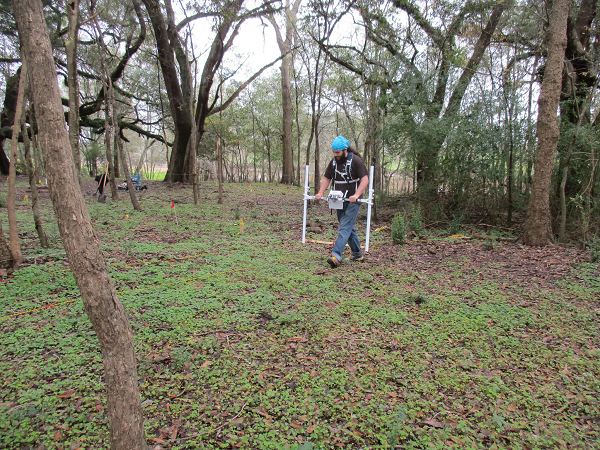 LaPAL has spent the last three years working closely with the Acadian community and the University to locate the original homesteads of the Acadians who arrived in this area in 1765. To learn more about the The Louisiana Public Archaeology Lab follow this link and to learn more about the New Acadia Project please follow this link.